
On-device intelligence
Explore the balance between model capabilities, hardware resources and interaction needs. Architecture and hardware are still under development.
R&D / EDGE AI & ROBOTICS
NuverxAI is developing an interactive robotics research direction, with elderly assistance as an intended application. We welcome discussions with researchers and technical partners.
Images and videos on this page document component experiments. We have not published evaluations of a complete robotic system or a ready-to-use product.
01 / RESEARCH DIRECTIONS
Explore the balance between model capabilities, hardware resources and interaction needs. Architecture and hardware are still under development.
Research language-based control and natural conversation. Individual experiments help frame questions for further development.
Work towards integrating AI, sensors and control software. Prototype development and complete-system evaluation remain ahead.

02 / TECHNOLOGY DEMOS
These videos document component experiments in conversation, computer vision and voice control. NuverxAI’s robot is still in development with no complete prototype; the videos do not represent a commercial product or a validated medical device.
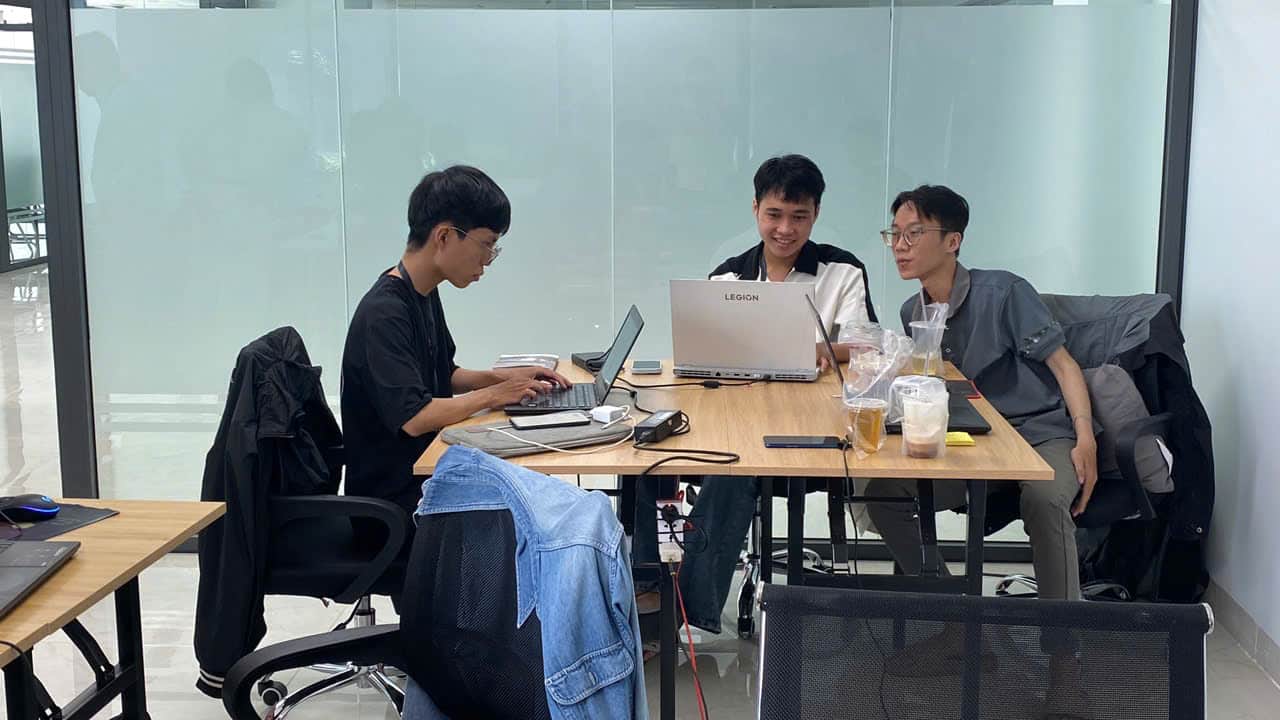
A conversation component experiment for the companion-robot direction; the video describes on-device processing without cloud dependency.
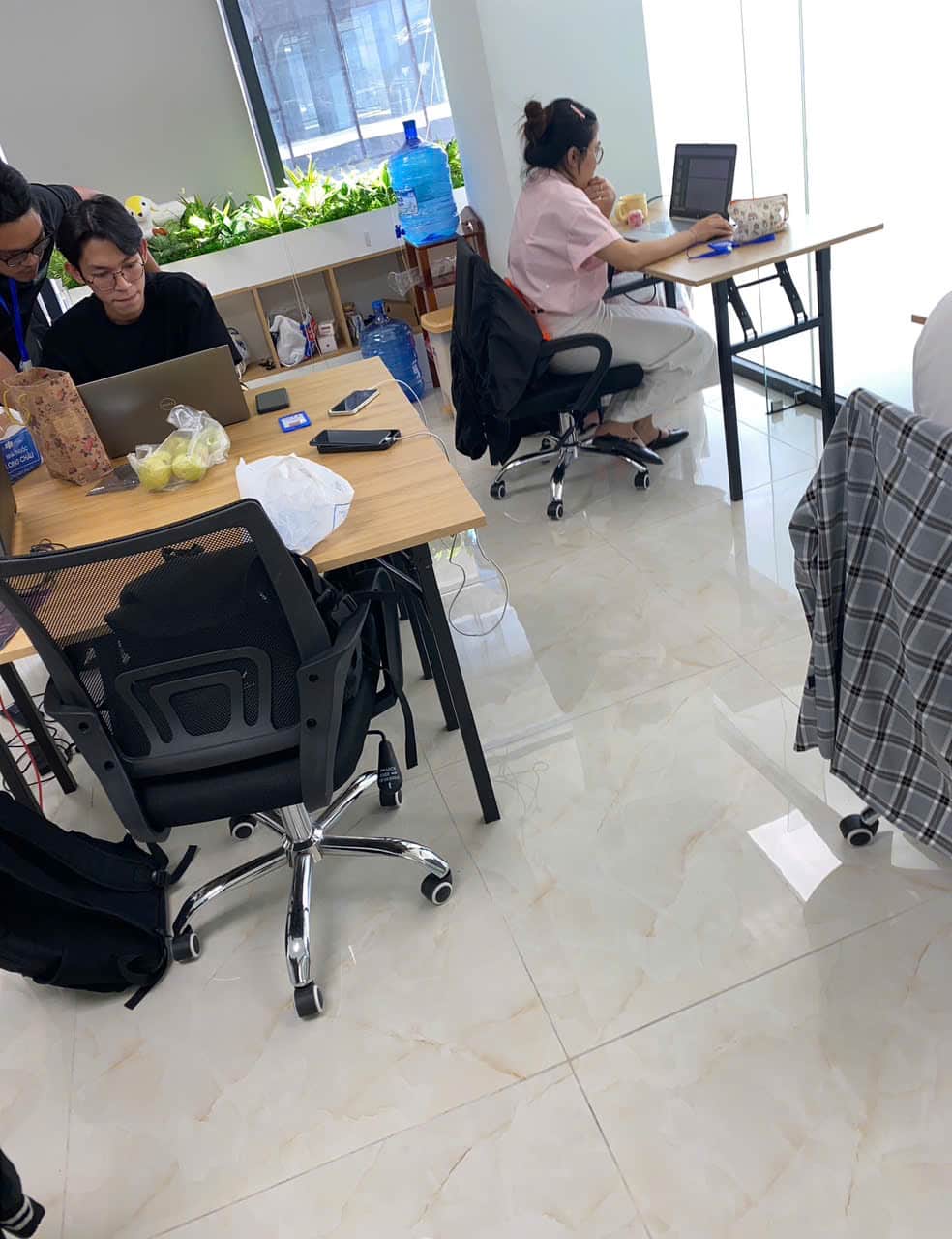
A computer-vision experiment for situations that may require attention. This is a technical demo, not a validated medical-alert device.
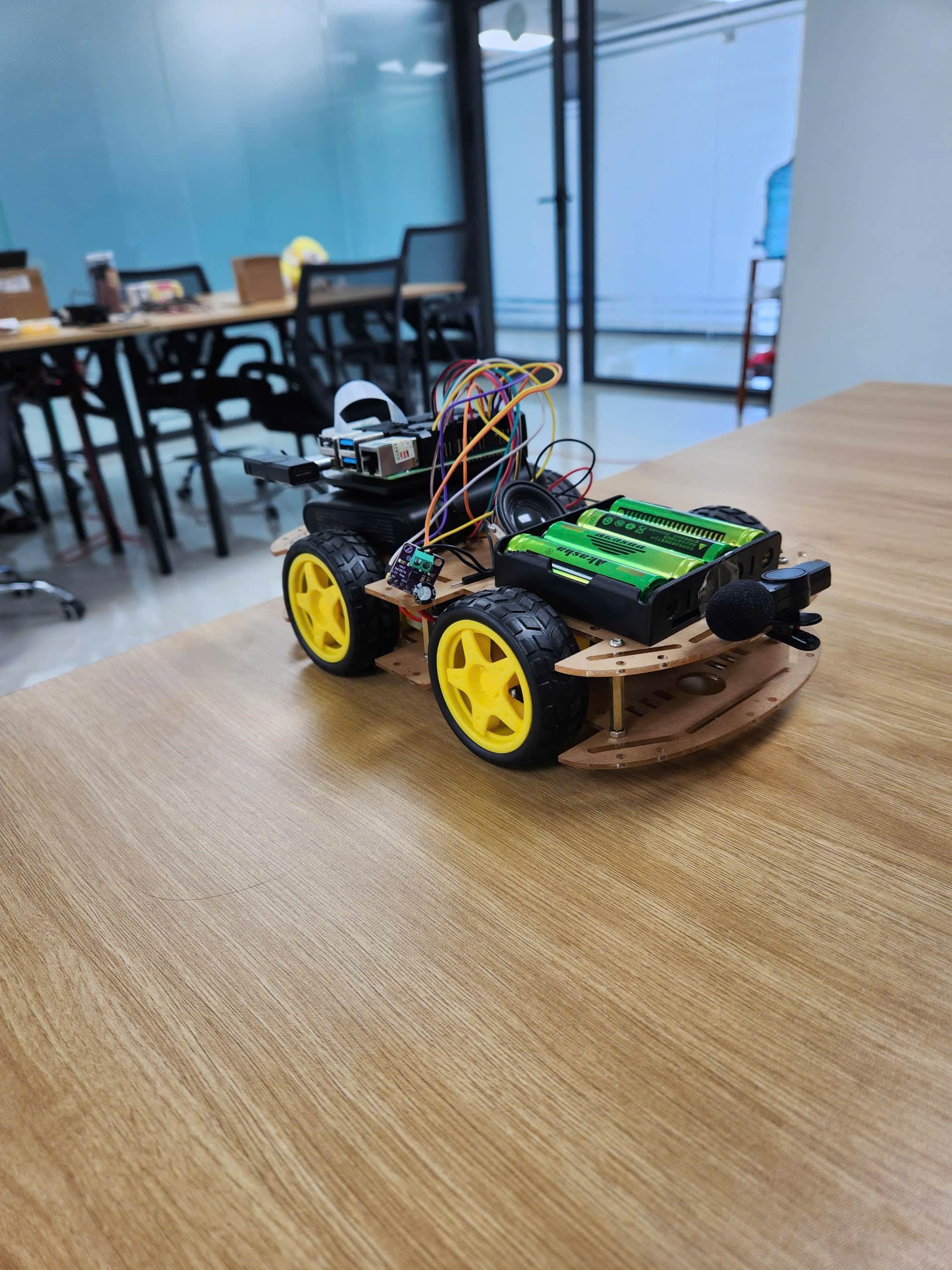
An experiment connecting speech recognition, command understanding and movement on robotics research equipment.
03 / QUESTIONS TO EXPLORE
These are proposed discussion and evaluation directions, not measured results or performance commitments.
Define commands, acoustic conditions and how recognition errors will be recorded before evaluation.
Clarify resource limits and architecture data flows once components are defined.
Explore clarification, stopping actions and explaining limitations so users can understand system state.
04 / CONNECTING EXPERTISE
Share a research question, hardware integration experience or an interaction evaluation approach you are interested in. Scope, responsibilities and collaboration terms will be discussed individually.
Prepare a collaboration brief